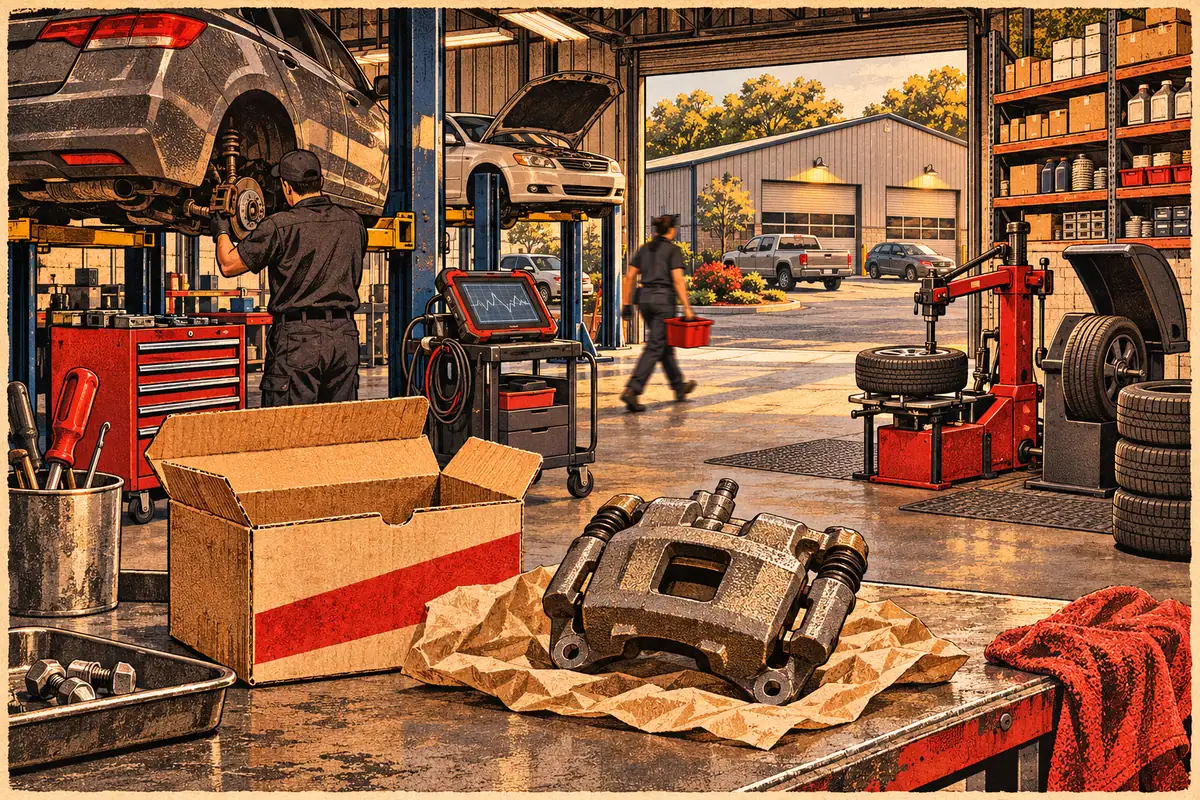
Picture your first Friday as owner. A customer reports the same noise they paid the old shop to correct two months ago. Start by listening and locating the original repair order. Record the customer’s concern, mileage, date, vehicle, original complaint, parts used and work performed. If there may be an urgent safety issue, involve qualified staff promptly and follow your established service procedures. Confirm who is authorized to assess the vehicle and explain when you will call with the next update.
Keep the customer-facing process separate from the purchase agreement discussion. A customer needs a clear place to bring their concern and a fair response under the applicable terms. Your transaction team needs to know which party bears labor, parts, towing, outside service or other cost. It can be appropriate for the incoming shop to coordinate the customer response while the seller or a supplier reimburses defined amounts later. The ownership transition plan lets you assign a service contact, an approval contact and a reimbursement contact before anyone has to improvise at the counter.
Which warranty applies to the original work?
Retrieve the invoice, the written shop warranty in effect on the repair date, any third-party program terms, vendor documentation and the customer’s approval. The FTC explains that repair warranties vary, including the covered work, time and mileage limits and procedures for obtaining reimbursement. Check which party made the original promise. A shop’s workmanship warranty, a parts manufacturer’s replacement warranty and a separately purchased service contract can each apply a different process. The fact that a supplier replaces a part may leave the labor to remove and reinstall it unresolved.
Read the contract and law with counsel where needed. A general statement in the sale agreement that the buyer assumes no liabilities may shape the buyer-seller allocation while leaving other parties’ rights or regulatory obligations to be assessed. An entity purchase may present different issues from an asset purchase. Avoid turning either structure into a universal answer. State repair rules can also govern estimates, authorization and invoices. California’s Bureau of Automotive Repair illustrates those requirements in one jurisdiction. Confirm the rules for the actual shop and claimant.
How can you distinguish a warranty claim from a new repair?
Start with evidence, including the original symptoms, diagnostic findings, repair scope, part number and condition observed at return. Have qualified personnel evaluate whether the issue relates to the old work, a different fault, normal wear or a claim under another provider. A returning warning light can arise from a different cause. Conversely, a new-looking symptom may connect to work the shop recently performed. Document the conclusion and its basis. If further diagnosis requires customer authorization, handle it under the applicable rules and agreed terms.
If a visit mixes warranty and new work, separate the lines clearly. A no-charge correction should not hide a newly authorized paid service or appear as another independent sale in management reports. Record diagnostic time, parts, sublet, customer charges, credits and any amount written off. Identify who approves discretionary goodwill outside written coverage. A manager might choose to cover a modest diagnostic charge for an established customer, but that commercial choice does not automatically create an expense the seller must reimburse. Use the shop earnings tool to see the recurring cost of rework when meaningful.
Four different decisions in a preclosing repair claim| Decision | Evidence | Person or party to identify |
|---|
| Customer intake | Original repair order, symptoms and contact | Service adviser and responsible manager |
| Coverage | Warranty, agreement, law and diagnosis | Authorized claimant or provider |
| Repair approval | Scope, estimate and required consent | Customer or contract administrator as applicable |
| Final cost | Labor, parts, outside invoices and credits | Buyer, seller or third party under agreed terms |
What records should you examine before setting a reserve?
Request historical comeback orders, warranty expense accounts, supplier credits, paid claims and any unresolved complaints. Review several periods because claim timing can lag the original sale. Group claims by service type, cause, date of original work and outcome. Identify repair orders recoded as discounts or internal work that never appeared in a dedicated warranty account. Ask which jobs carry unusual promises or a longer coverage period. A shop specializing in transmissions can have a different exposure profile from one selling quick maintenance services.
Inspect the net cash cost as well as the retail value of the work. A replacement part supplied at no charge can still require paid diagnostic and installation time, a tow or a courtesy vehicle. Supplier reimbursements may arrive later or require documentation the buyer cannot access. Verify actual claim receipts and denial rates. Ask whether provider membership or vendor account status changes at closing. A reserve based on gross repair invoice values may overstate the likely cost, while a reserve based only on purchased parts can miss labor and customer care.
How might the parties split one comeback?
Illustrative composite — not a real client. A preclosing invoice shows the seller installed a component under a written shop warranty. After closing, the buyer receives a claim. Under this hypothetical agreement, the buyer coordinates customer intake and the seller reimburses documented eligible direct cost after supplier recovery. A qualified assessment and required approvals support replacement. The new part costs $260 and labor under the agreed reimbursement basis is $180. Eligible initial direct cost is $440.
The vendor credits $210 after receiving the failed part, leaving $230 net. The buyer also offers $40 of transportation assistance that the seller’s reimbursement agreement does not cover. The buyer’s final net outlay after seller payment is therefore $40 in this example, subject to the assumed facts. A retail invoice for the work might display a different figure. The seller needs proof of the repair, eligible cost, credit and agreement. The customer needs the repair and a clear invoice. Neither should be asked to decode the other party’s private accounting.
How should your purchase documents handle old promises?
Ask counsel to identify which open claims and warranty obligations transfer, which remain with the seller and what procedures connect the two. Specify who receives claims, whether the seller can inspect a disputed matter, who authorizes expense above a threshold, how fast a decision must arrive and what happens when the seller cannot respond. Describe the reimbursement basis for technician time and parts. Set evidence requirements, credit treatment, escalation, deadlines and the term for any escrow or reserve. Confirm that procedures allow timely customer handling and comply with law.
Agree how the buyer accesses prior service records and protects personal information. A service adviser might need an original invoice and warranty terms without needing the seller’s bank information or unrelated customer history. The FTC provides business guidance on limiting and protecting personal information. Design authorized access, retention and a record of claims that both parties can verify as needed. A customer who visits two locations should receive a consistent answer regardless of which site created the first invoice.
What steps should you test in the first week?
- Select a historical claim and verify that the incoming manager can retrieve the original order and applicable warranty.
- Confirm which person can authorize diagnosis, customer communication, supplier submission and any discretionary goodwill.
- Validate account access, provider eligibility, failed-part retention requirements and reimbursement timing.
- Reconcile the claim log to repair orders, paid costs, supplier credits, seller requests and customer updates.
- Review disputed or waiting claims on a fixed schedule and close each with a documented financial and customer outcome.
Bring the log into the first 90 days plan. Include the date of the next update and the person who will give it. Do not make the customer negotiate directly between two owners unless the applicable arrangement specifically requires a particular claim route. Give staff a route to escalate later disputes to counsel or the provider. The buyer hub connects recurring service obligations to diligence and opening cash.
Check who owns the original vendor account, who paid for the replacement and what the sale documents say about credits following transferred obligations. Ask the vendor for the actual credit memo, reference and account. If the seller receives the credit, follow the agreed remittance or settlement process once and retain evidence. Avoid charging the same credit against inventory and again against the warranty reserve.
How can you audit the first ten claims?
Choose claims from different advisers and service categories. Check that your customer received the promised update, that your technician documented the reason for the return and that your bookkeeper posted the supplier credit once. Look for a repeated failed part, installation issue or approval delay. If a cluster has the same cause, assign your manager a corrective action and review the next group. Your claim history can improve service quality as well as settle a reimbursement.
Which warranty numbers should you show a buyer?
Provide anonymized claim frequency, net expense, provider reimbursements, time to settle and unresolved exceptions for a stated period. Explain unusual clusters and corrective work with support, then identify the obligations still open after the proposed date. A buyer can then estimate recurring quality costs, separate one-time historic claims and fund a realistic reserve without treating every returning customer as a new liability or disguising a comeback as repeat demand.
What else should you know?
Does the new owner have to honor every old shop warranty?
Ask counsel to review the transaction form, applicable law, original customer terms, assumed obligations and any third-party coverage. The answer can differ by claim and jurisdiction. A private agreement allocating cost between seller and buyer does not by itself determine all rights a customer or provider may have.
Can I bill the parts supplier for comeback labor?
Read the actual parts warranty and claim procedure. Some arrangements cover only replacement parts, impose labor limits or require advance authorization and return of the failed part. Identify which vendor account holds the original claim and obtain written confirmation of how the incoming shop can seek reimbursement.
How large should a warranty reserve be?
Use the shop’s own claim history, remaining coverage periods, service mix, net labor and parts costs, and any collectible vendor credits. Test a higher-cost case for unusual repairs. Negotiate the amount, claim documentation, release timing and limits with advisers rather than applying an arbitrary percentage of sales.
What should the adviser say before coverage is confirmed?
Acknowledge the concern, record symptoms and obtain the original repair details. Explain the next step, who will review coverage and when the customer will hear back. Follow your authorization and diagnostic policy. Avoid promising free work or denying responsibility before the records and applicable rights have been checked.